

Got a furry friend who thinks grooming is their personal nightmare? You’re not alone. Grooming your cat doesn’t have to be a wrestling match that ends with scratches on your arms and a very grumpy kitty hiding under the bed for three hours.
Here’s the thing—cats are naturally clean creatures (they spend up to 50% of their waking hours grooming themselves), but they still need your help. Whether you’ve got a fluffball Persian or a sleek tabby, regular grooming keeps your feline healthy, reduces those dreaded hairballs, and gives you both some quality bonding time.
(Click here for more info on our cat grooming services!)
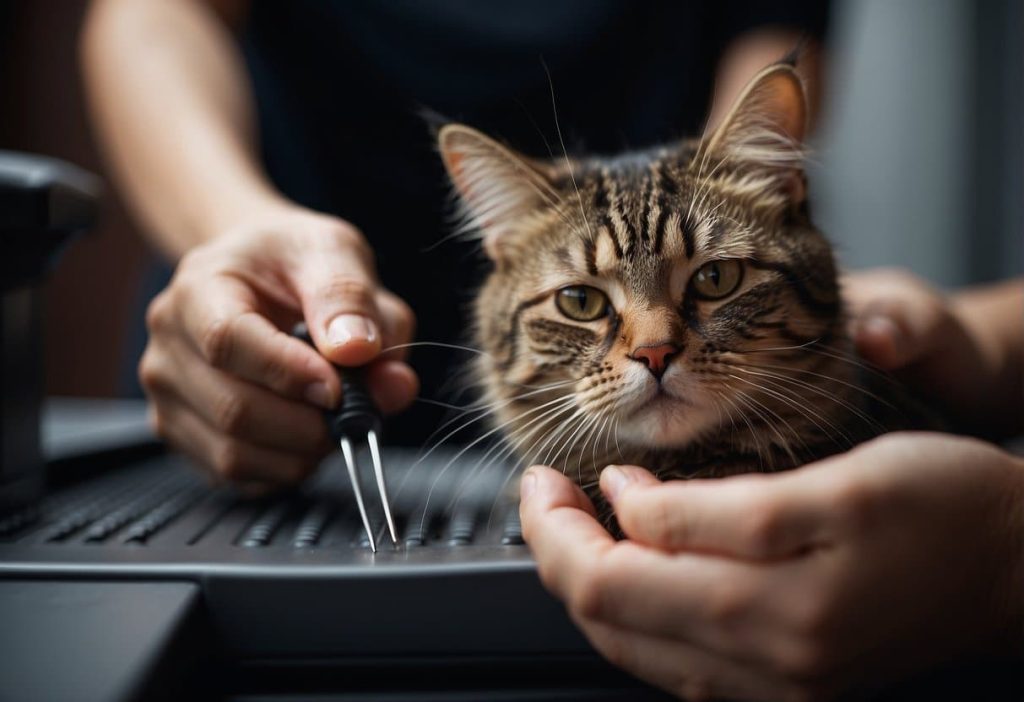
Your cat’s coat isn’t just about looking pretty. It’s their first line of defense against dirt, parasites, and temperature changes. When you brush away loose fur and debris, you’re helping their skin produce those natural oils that keep everything shiny and healthy. Plus, you’ll catch any weird bumps, scratches, or skin issues before they become bigger problems.
Ready to turn grooming from a battle into bonding time? Let’s dive in.
Understanding Your Cat’s Grooming Needs
Identifying Coat Types
Not all cats are created equal when it comes to grooming—shocking, right? Some purr through a full brush-out, while others act like you’re trying to perform surgery with a hairbrush.
Gauging Your Cat’s Grooming Tolerance
Long-haired cats (think Maine Coons, Persians, or that gorgeous fluffball you adopted last month) need daily attention. Their fur mats faster than you can say “hairball,” especially around the chest, belly, and those hard-to-reach spots near the back legs. Skip a few days of brushing, and you’ll be dealing with mats that might need professional removal.
Short-haired cats are a bit more forgiving. Weekly brushing sessions usually do the trick, though during shedding season (hello, spring and fall), you might want to step it up. Their coats are easier to manage, but they still appreciate the help removing loose fur.
Hairless breeds like Sphynx cats? They need regular baths to remove excess oils from their skin. No fur doesn’t mean no maintenance—it just means different maintenance.
Reading Your Cat’s Grooming Tolerance
Here’s where things get interesting. Some cats absolutely love being brushed—they’ll purr, lean into the brush, and maybe even drool a little (yes, that’s a thing). Others will give you the stink eye and disappear the moment they see grooming tools.
Watch your cat’s body language. Ears forward and relaxed posture? Good signs. Ears back, tail twitching, or trying to escape? Time for a break. Start slow with cats who aren’t used to grooming—maybe just a few gentle strokes with your hand before introducing a brush.
Recognizing Age-Related Grooming Changes
Kittens are usually more adaptable to grooming routines, but they also get into more mischief and might need extra cleaning sessions. Adult cats have established preferences—respect them, but don’t give up if they’re resistant.
Senior cats (typically 7+ years) often need the most help. Arthritis or joint stiffness can make it hard for them to reach all their usual spots. You might notice their coat looking a bit duller or developing small mats in areas they can’t easily reach anymore.
Prepping for the Grooming Session
Before you dive in, let’s talk strategy. The right setup can make the difference between a peaceful grooming session and what looks like a crime scene.
Choosing the Right Tools
You don’t need a grooming salon’s worth of equipment, but having the right basics makes everything smoother:
- A good brush or comb: Metal combs work great for long-haired cats to work through tangles. Rubber brushes or grooming mitts are perfect for short-haired cats and feel more like petting.
- Nail clippers: Cat-specific ones, please. Human nail clippers can split their claws.
- Ear cleaner: Vet-approved solutions only. Cotton balls, not Q-tips.
- Styptic powder: Just in case you accidentally nick the quick while trimming nails (happens to the best of us).
Treats: Your secret weapon for positive reinforcement.
Creating a Soothing Environment
Pick a quiet spot where your cat feels secure. Maybe that sunny spot by the living room window or their favorite perch on your bed. Avoid high-traffic areas where they might get startled by sudden noises or other pets.
We’ve found that playing soft music or even just talking to your cat in a calm voice helps keep them relaxed. Some cats do better on a towel or familiar blanket—whatever makes them feel more secure.
Gather Necessary Supplies
Nothing breaks the groove like having to stop mid-groom to hunt for nail clippers. Set everything up beforehand: brushes, treats, cleaning supplies, and maybe a towel in case things get messy.
Before starting the grooming session, gather all the necessary supplies at your workstation. This includes:
| Item | Use |
| Brush/Comb | Detangling fur, removing loose hair |
| Flea Comb | Checking for fleas |
| Ear Cleaner | Cleaning ears |
| Styptic Powder | Stopping bleeding during nail clipping |
| Nail Clipper | Trimming nails |
| Scissors | Cutting mats or excess fur |
| Shampoo | Bathing (if needed) |
| Towels | Drying after bathing |
| Treats | Rewarding and reinforcing good behavior |
| Cotton | Cleaning ears or applying medication |
By properly preparing for the grooming session, you can ensure a more enjoyable and positive experience for you and your cat.
Pro tip: Start grooming sessions when your cat is already relaxed—maybe after a meal or play session when they’re naturally calmer.
Executing the Grooming Process
Now for the good stuff. Here’s how to actually groom your cat without turning it into an Olympic wrestling event.
Brushing Techniques
Start with gentle strokes following the direction of their fur growth. Most cats have strong opinions about this—go against the grain, and you’ll hear about it.
Pay extra attention to areas that mat easily: behind the ears, under the arms, chest, belly, and back legs. These spots don’t get as much attention during self-grooming, so they need your help.
Did you know that regular brushing can reduce hairballs by up to 80%? Those loose hairs you’re removing would otherwise end up in your cat’s stomach, forming those lovely hairball surprises you find on your carpet.
For long-haired cats, work in sections. Don’t try to tackle the entire cat at once—that’s overwhelming for both of you. For short-haired cats, a quick all-over brush-out usually does the trick.
Bathing Fundamentals
Most cats will never need a bath (they’re pretty good at the whole self-cleaning thing), but sometimes life happens. Maybe they got into something sticky, have a skin condition, or are elderly and need help staying clean.
Here’s the reality: bathing a cat is rarely fun, but it doesn’t have to be traumatic. Fill your sink or tub with just a few inches of lukewarm water—not hot, not cold. Test it with your wrist like you would for a baby.
Use cat-specific shampoo only. Human products can irritate their skin or worse. Work quickly but gently, keeping water away from their face. Most cats tolerate this better than you’d expect, but have towels ready for a quick wrap and dry afterward.
Keep them warm until they’re completely dry. A chilled, wet cat is a miserable cat.
Clipping Claws
Here’s where many cat parents panic, but it’s really not that complicated. Hold your cat’s paw gently and press the pad to extend the claw. See that pink area inside the nail? That’s the quick—avoid it.
Trim just the sharp tip, staying well away from the pink part. If you accidentally cut the quick (it happens), don’t panic. Apply styptic powder to stop any bleeding and give your cat some extra treats and attention.
Most cats need nail trims every 3-4 weeks. Regular trimming keeps their claws healthy and saves your furniture from becoming a scratching post casualty.
Cleaning Ears
Check your cat’s ears weekly for dirt, dark discharge, or any bad smells. Healthy ears look pink and clean inside.
Use a vet-approved ear cleaner on a cotton ball—never stick anything down into the ear canal. Just wipe what you can see on the outer ear. If you notice excessive wax, dark discharge, or your cat is scratching their ears constantly, it’s time for a vet visit.
Caring for Teeth
Dental disease affects over 70% of cats by age three. Brushing your cat’s teeth might sound impossible, but many cats tolerate it better than you’d think.
Use cat toothpaste (never human toothpaste—it can be toxic to cats) and a soft brush designed for cats. Start by just letting them taste the toothpaste, then gradually work up to actually brushing.
Focus on the gum line where plaque builds up most. Even a few times a week makes a real difference in their oral health.
Addressing Common Skin and Coat Issues
Let’s talk about the stuff that makes grooming challenging—because real cats have real problems. This section will discuss handling parasites and managing skin conditions to ensure your cat remains healthy and comfortable.
Handling Parasites
Regular grooming is your first line of defense against fleas, ticks, and other unwelcome guests. Run your fingers through your cat’s fur during grooming sessions, feeling for any bumps or seeing any “flea dirt” (those little black specks that turn reddish-brown when wet).
A flea comb with fine teeth can help catch fleas before they become a bigger problem. If you find ticks, remove them carefully with tweezers or tick removal tool, getting the head out completely.
Ear mites are another common issue—if your cat is scratching their ears excessively or you see dark, coffee-ground-like discharge, schedule a vet visit.
Managing Skin Conditions
Cats can develop various skin issues—dry, flaky skin, oily coats, or even conditions like ringworm or bacterial infections. Regular grooming helps you spot these problems early.
If you notice persistent redness, scaling, unusual odors, or your cat seems uncomfortable, don’t try to diagnose it yourself. Skin problems can look similar but need different treatments.
A good diet with omega-3 fatty acids can help maintain healthy skin and coat from the inside out. Sometimes the best grooming starts with nutrition.
Additional Grooming Considerations
Dealing with Hairballs and Matting
Regular grooming can help minimize hairballs and matting issues in cats. Brushing your cat’s fur helps remove loose hair and distributes their natural oils, which can prevent matting. Remember to always groom in the direction of hair growth for best results. If your cat has severe matting, consider seeking professional assistance.
When dealing with hairballs, it’s essential to keep up with regular grooming and consider adding omega-3 fatty acids to your cat’s diet, which can help maintain healthy skin and fur. Using a humidifier can also help improve your cat’s overall skin condition, making grooming more comfortable.
Professional Grooming Services
Look, sometimes you need backup. If your cat has severe matting, hasn’t been groomed in a long time, or has behavioral issues that make home grooming impossible, professional groomers are worth every penny.
Professional groomers can safely remove mats that would be difficult to handle at home, do thorough nail trims, and even provide services like teeth cleaning or flea treatments.
At Hound Therapy, we understand that every cat is different—some love being pampered, others need a little extra patience. Our experienced team knows how to work with cats of all temperaments, making grooming as stress-free as possible for both you and your feline friend.
Grooming and Overall Health
Grooming has several benefits for your cat’s overall health. It can:
- Minimize hairballs: Regular grooming reduces loose hair ingestion and the risk of hairball formation.
- Improve skin health: Grooming stimulates blood circulation and distributes natural oils, which can benefit your cat’s skin.
- Prevent parasites: By combing and brushing your cat’s fur, you can reduce the likelihood of parasite infestations, such as fleas.
- Strengthen the bond: Grooming your pet provides a great opportunity to bond, promoting trust and familiarizing yourself with their body, so you can quickly detect any health issues.
- Reduce allergies: Grooming decreases the amount of pet hair and dander, which can help alleviate allergies for both your cat and household members.
In conclusion, maintaining a regular grooming routine and considering professional services when needed can benefit your cat’s health and well-being. Always be gentle during grooming sessions and take your cat’s particular needs into account.
Grooming Tips for Specific Conditions
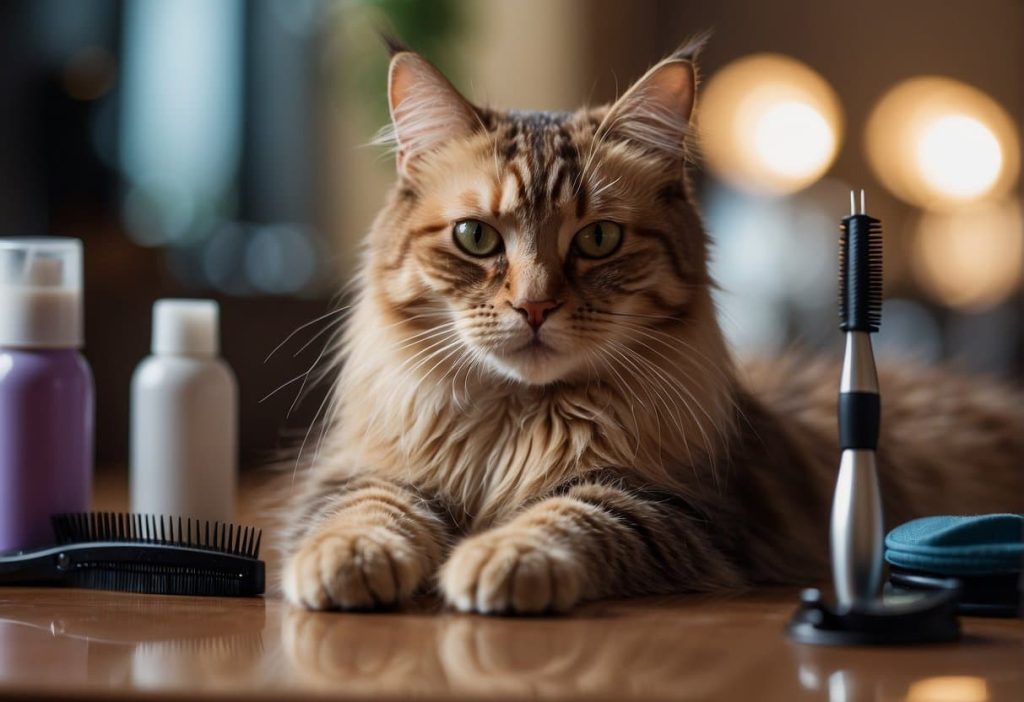
Grooming Long-Haired and Short-Haired Cats
Long-haired cats need grooming at least 2-3 times per week, sometimes daily during shedding seasons. Use a slicker brush for removing loose hair and a wide-tooth comb for working through any tangles.
Short-haired cats usually do fine with weekly grooming sessions. A rubber grooming tool or bristle brush works well for removing loose fur and distributing natural oils.
Here is a summary table for grooming schedules:
| Hair Type | Grooming Frequency |
| Long-haired cats | At least 2-3 times a week |
| Short-haired cats | Once a week to every few days |
Caring for Senior and Less Mobile Cats
Older cats often develop arthritis or other mobility issues that make self-grooming difficult. You might notice their coat looking less shiny or developing mats in places they used to keep perfectly clean.
Be extra gentle with senior cats—their skin might be more sensitive, and stiff joints can make positioning uncomfortable. Shorter, more frequent grooming sessions work better than trying to do everything at once.
Addressing Behavioral Issues During Grooming
Some cats just hate being groomed, and that’s okay. Work gradually to build positive associations—start with just petting them with your hands, then introduce grooming tools slowly.
Use treats, praise, and patience. If your cat gets too stressed, take a break. Forced grooming often makes the problem worse, not better.
For cats who are genuinely terrified of grooming, consider professional help. Sometimes a groomer experienced with difficult cats can work through behavioral issues more effectively.
Aftercare and Maintenance

Post-Grooming Clean-Up
After each grooming session, clean your tools with mild soap and water. Store them in a clean, dry place so they’re ready for next time.
Give your cat some treats and praise—you want them to associate grooming with good things, not just necessary evils.
Establishing a Regular Grooming Schedule
Consistency is key. Whether you’re grooming weekly or daily, stick to a schedule that works for both of you. Cats appreciate routine, and regular sessions are less overwhelming than marathon grooming sessions every few weeks.
Keep track of nail trims, ear cleanings, and any issues you notice. A simple calendar notation helps you stay on top of your cat’s grooming needs.
Promoting a Healthy Grooming Lifestyle
The goal is making grooming a normal part of life, not something that happens only when your cat looks like they’ve been through a wind tunnel.
Start young if possible, but don’t give up on older cats who aren’t used to grooming. With patience and positive reinforcement, most cats can learn to at least tolerate grooming.If your cat appears agitated or has negative reactions, consult your veterinarian for guidance on how to improve the grooming experience.
Remember: grooming isn’t just about appearance. You’re helping maintain your cat’s health, strengthening your bond, and catching potential problems early.
Frequently Asked Questions
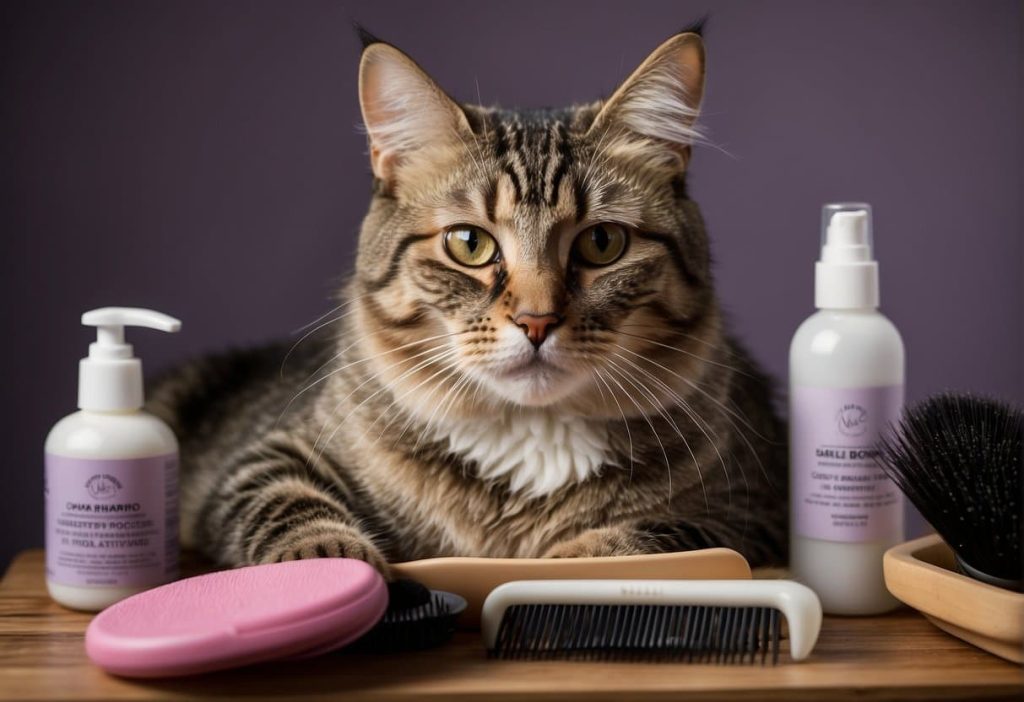
What if my cat absolutely refuses to be groomed?
Start slow and build positive associations. Some cats need weeks or months to get comfortable with grooming tools. Consider professional help if your cat becomes extremely stressed or aggressive.
How often should I really be grooming my cat?
It depends on coat type and lifestyle. Long-haired cats need daily brushing, short-haired cats usually do fine with weekly sessions. Indoor cats might need less frequent grooming than outdoor cats who get into more mischief.
Is it normal for my cat to lose a lot of hair during brushing?
Yes, especially during shedding seasons (spring and fall). If you’re removing what seems like another cat’s worth of fur, that’s often normal. Excessive hair loss with bald patches or skin irritation, however, warrants a vet visit.
Can I use human grooming products on my cat?
No—stick to cat-specific products. Human shampoos, toothpaste, and other grooming products can be harmful to cats or cause skin irritation.
What should I do if I find mats in my cat’s fur?
Work through small mats gently with a comb or dematting tool. For larger or severe mats, don’t try to cut them out yourself—you might accidentally cut your cat’s skin. Professional groomers can safely remove difficult mats.
How do I know if my cat has fleas or other parasites?
Look for small, dark specks in their fur (flea dirt), excessive scratching, or actual fleas jumping around. Regular grooming sessions help you catch parasite problems early before they become infestations.